
Toxic Plants in Your Backyard and Local Parks: What Every Dog Owner Needs to Know
You take your dog for a walk in the park. He sniffs around the flower beds, chews on a stem, and you think nothing of it — because it's just a plant, right? Most of us grew up surrounded by greenery and never gave it a second thought. But the truth is, some of the most common plants in our backyards, neighborhood parks, and even carefully tended gardens are quietly dangerous to our dogs.
As dog owners who also love the outdoors, gardening, and spending time in nature, this is one of those things we genuinely need to know. Not to become paranoid about every blade of grass — but to be informed, prepared, and proactive.
Because the scary part isn't that toxic plants exist. It's that most pet owners have no idea which ones are dangerous until it's too late. Let's change that.
Why This Matters More Than You Might Think
Dogs are curious creatures. They explore the world with their noses and mouths, which means they're far more likely than we are to chew on a leaf, dig up a bulb, or lap up water from a vase. What seems harmless from a human perspective can be genuinely toxic — or even fatal — to a dog.
Plant-related poisonings in dogs are more common than most people realize. The
ASPCA Animal Poison Control Center receives hundreds of thousands of calls every year, and plants consistently rank among the top causes of pet poisoning. And yet plant safety is rarely something that comes up in puppy training classes, vet waiting rooms, or casual dog owner conversations.
The good news? This is entirely preventable. Once you know what to look for, you can make your home, yard, and outdoor adventures so much safer for your dog — without giving up your love of beautiful gardens or outdoor spaces.
The Problem with It's Just a Plant;
One of the biggest misconceptions is that plants are naturally safe because they're natural. But nature is full of plants that evolved defense mechanisms — including toxins — to protect themselves from being eaten. Those defense mechanisms don't know the difference between a pest and your beloved dog.
What makes this especially tricky is that many toxic plants look completely ordinary. They're sold at garden centers, planted in public parks, used in grocery store flower arrangements, and given as gifts. They're beautiful. They're common. And they can cause serious harm.
Some toxic plants cause mild symptoms — an upset stomach, some vomiting, a day or two of lethargy. Others can cause kidney failure, heart arrhythmias, seizures, or worse, and can do so quickly. The severity often depends on how much was ingested, which part of the plant was eaten, and how large your dog is. But here's the thing: you don't want to find out which category a plant falls into by watching your dog eat it.
Where Toxic Plants Hide (And It's Not Just Your Garden)
When most people think about plant dangers for dogs, they picture their own backyard. And yes, your garden is absolutely worth auditing. But toxic plants show up in a lot of places we don't always think about:
Public parks and trails: Many municipalities plant ornamental landscaping without any consideration for pet safety. Beautiful flower beds lining park paths may contain varieties that are harmful to dogs.
Neighbors; yards: If your dog is a fence-sniffer or a gap-finder, plants growing close to shared fences can be reached. Overhanging branches, fallen leaves, and bulbs that wash into your yard during rain are all exposure risks.
Cut flower arrangements: This one surprises people. Many popular cut
flowers — and even the water in the vase — can be toxic if a curious dog gets into them.
Potted houseplants: The danger doesn't stop at the back door. Several common houseplants are toxic to dogs, and a potted plant on a low shelf or the floor is easy for a dog to investigate.
Seasonal plantings: Spring and fall especially bring a surge of bulb planting — and many popular spring bulbs are among the more toxic plants for dogs. Neighborhoods full of seasonal color can also be neighborhoods full of seasonal risk.
Hiking and nature trails: Wild plants and native species can also be
dangerous, and are even harder to identify than garden varieties.
The point isn't to avoid all of these places — it's to go into them with awareness. Knowing what to look for, and knowing the signs that your dog may have eaten something they shouldn't have, makes you a more prepared pet parent.
Signs Your Dog May Have Eaten Something Toxic
Because dogs can't tell us when something is wrong, it's important to know what to watch for. Symptoms of plant poisoning vary widely depending on the plant and what it affects in the body, but some of the most common signs include:
Vomiting or diarrhea, especially if it comes on suddenly
Excessive drooling or foaming at the mouth
Lethargy, weakness, or sudden loss of coordination
Loss of appetite or refusing water
Swelling of the mouth, lips, or tongue
Tremors, seizures, or muscle twitching
Rapid or irregular heartbeat
Pale or yellowish gums
Difficulty breathing
If you notice any of these signs and suspect your dog may have eaten a plant, don't wait to see if they get better on their own. Contact your veterinarian or an emergency animal poison control line immediately. Time matters. The sooner treatment begins, the better the outcome in most cases.
It also helps to know what your dog was near before symptoms appeared. If you can, safely take a photo of the plant or bring a small sample to the vet — it can help them identify the toxin and treat your dog more effectively.
What You Can Do Right Now
The best thing you can do as a dog owner is get familiar with the most common toxic plants before an emergency happens. Here's a simple starting framework:
Audit your yard. Walk through your outdoor space and note every plant you
can identify. For the ones you can't, take photos and look them up. If you're not sure something is safe, err on the side of caution — remove it or fence it off.
Check your home. Look at any houseplants or cut flowers you have inside.
Many popular varieties are more harmful than people realize.
Learn the high-risk categories. Certain types of plants — including bulbs,
berries, and many ornamental flowering plants — are more likely to be toxic.
Having a general sense of which plant families to be cautious about goes a long way.
Know your emergency contacts. Save the number for the ASPCA Animal
Poison Control Center (888-426-4435) or Pet Poison Helpline in your phone
now, before you need it.
Stay aware on walks. You don't have to avoid parks — just pay attention.
Redirect your dog away from flower beds, discourage chewing on plants, and
wash their paws when you get home.
You Don't Have to Choose Between a Beautiful Yard and a Safe Dog
Here's something that doesn't get said enough: you can absolutely have a stunning, pollinator-friendly, wildlife-welcoming garden and keep your dog completely safe. It's not an either/or situation. It's about making intentional choices — swapping out high-risk plants for dog-safe alternatives, understanding what's already in your space, and planting with your whole family in mind — including the four-legged members.
In fact, some of the most beautiful garden plants are perfectly safe for dogs. There's no shortage of options for creating a lush, colorful, bee-and-butterfly-friendly yard that your dog can enjoy right alongside you.
It starts with knowing what to avoid — and that's exactly what we're here to help you with.
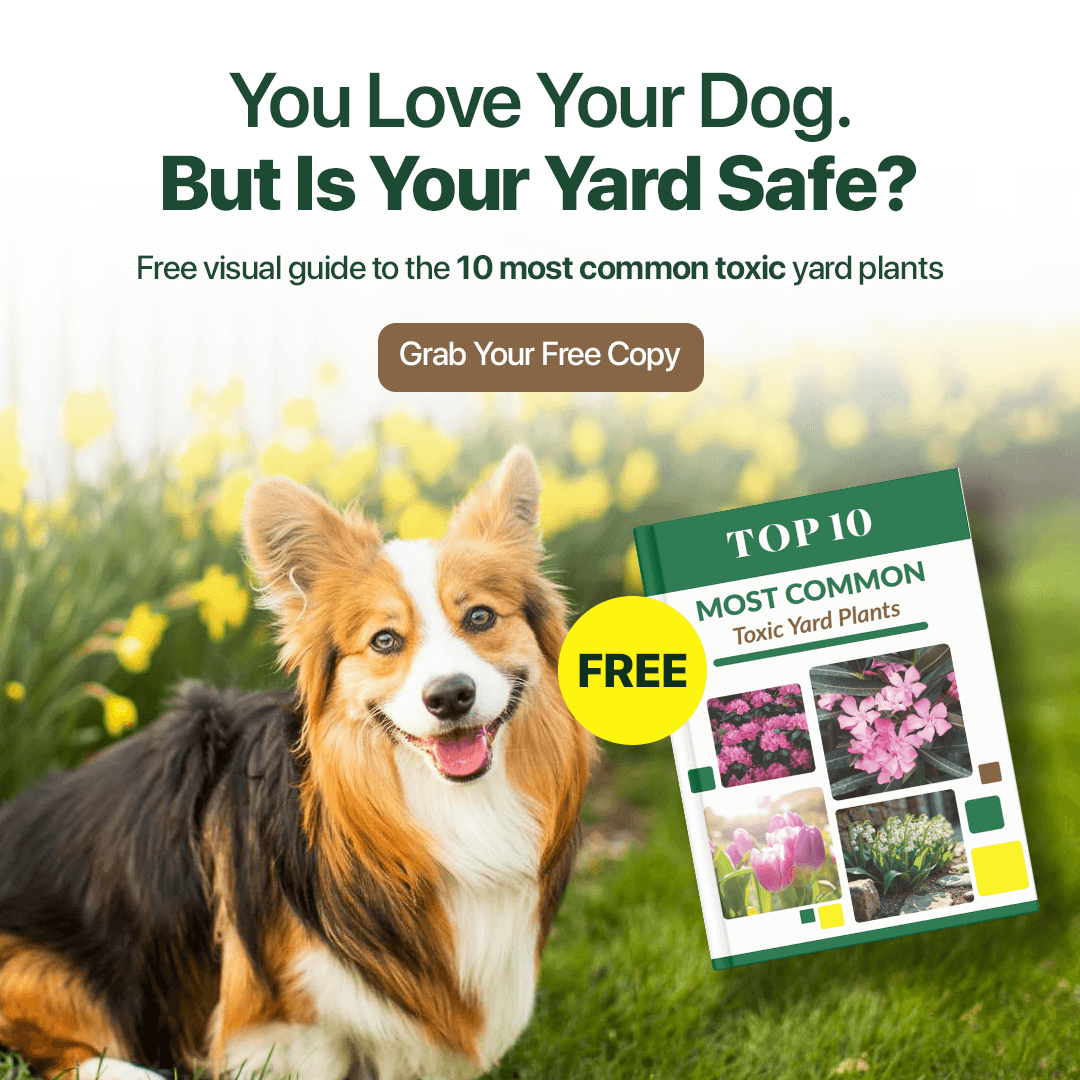
Get Your Free Toxic Plant Guide for Dog Owners
Ready to get specific? We've put together a free guide covering the most common toxic plants found in backyards and parks — complete with what they look like, what makes them dangerous, and what to do if your dog gets into one. It's the resource we wish every dog owner had before they needed it.
Download your free copy here and keep it somewhere handy — because the best time to learn this stuff is always before an emergency, not during one.
And if you're ready to go deeper, our Spring; Summer Dog Safety Guide covers the outdoor hazards that go beyond plants — including fertilizers, pesticides, rodent poisons, and which spring and summer plants are safest to have around your pup. It's a practical, season-by-season look at keeping your dog safe in your yard and outdoor spaces, without the overwhelm.
Check out the Garden Guide here — your dog (and your garden) will thank you.
Dawn Tucker
Dawn Tucker over a decade of experience as a primary care physician. Alongside clinical practice, she actively contributes to medical education, serving as a mentor and lecturer for medical students and residents.
Stay informed with valuable health and wellness tips delivered straight to your inbox.
Dogs and Dandelions is dedicated to helping you create the safest, most joyful life for the dog who shares your whole world.



Join our pack! Get the good stuff — tips on dog safety, holistic health, and safer outdoor living and adventures with your dog — straight to your inbox. Plus, get instant access to our free guide: “10 Toxic Plants Every Dog Owner Should Know.”
© 2026 Dogs & Dandelions, all rights reserved.